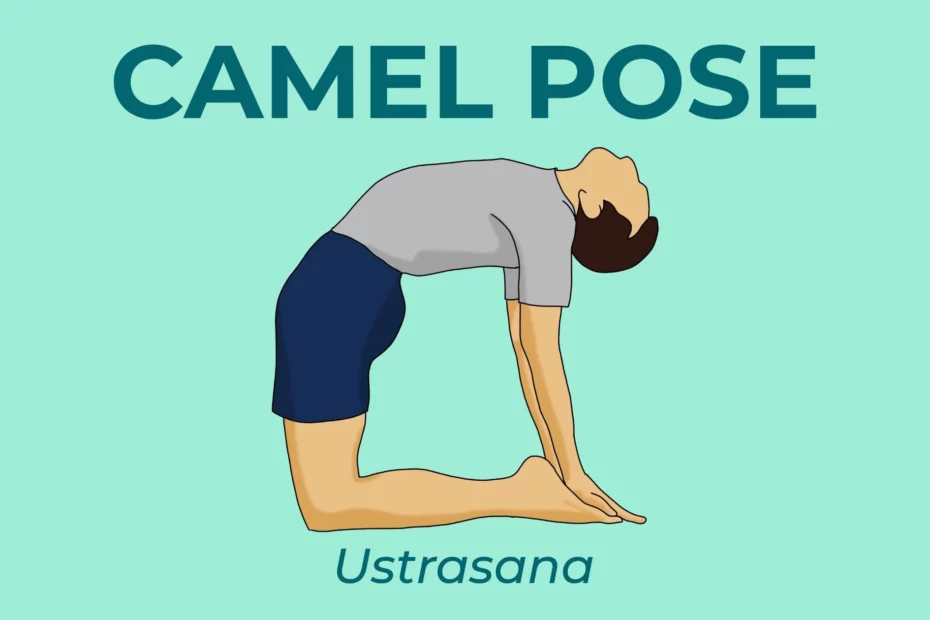
Camel Pose in yoga is a gentle back-bending yoga posture that helps open the chest, stretch the front of the body, and improve posture. When performed correctly, the body resembles the shape of a camel’s hump. Camel Pose is suitable for beginners when practiced mindfully and with proper preparation. It is often included in a daily yoga routine because it balances flexibility, strength, and breath awareness. The article gives a detailed guide on the Camel Pose.
What is Ustrasana or Camel Pose in yoga?
The Camel Pose is also known as ‘Ustrasana’. The name comes from the Sanskrit words “Ustra” meaning Camel and “Asana” meaning Pose. Ustrasana is a kneeling backbend that stretches the spine, chest, hips, and thighs while encouraging deep, conscious breathing. Unlike advanced backbends, this pose can be easily modified, making it accessible even for beginners practicing yoga at home.
How to do the Camel Pose (Ustrasana) step by step?
- Kneel on the floor, keeping the thighs and feet together, toes pointing back and resting on the floor.
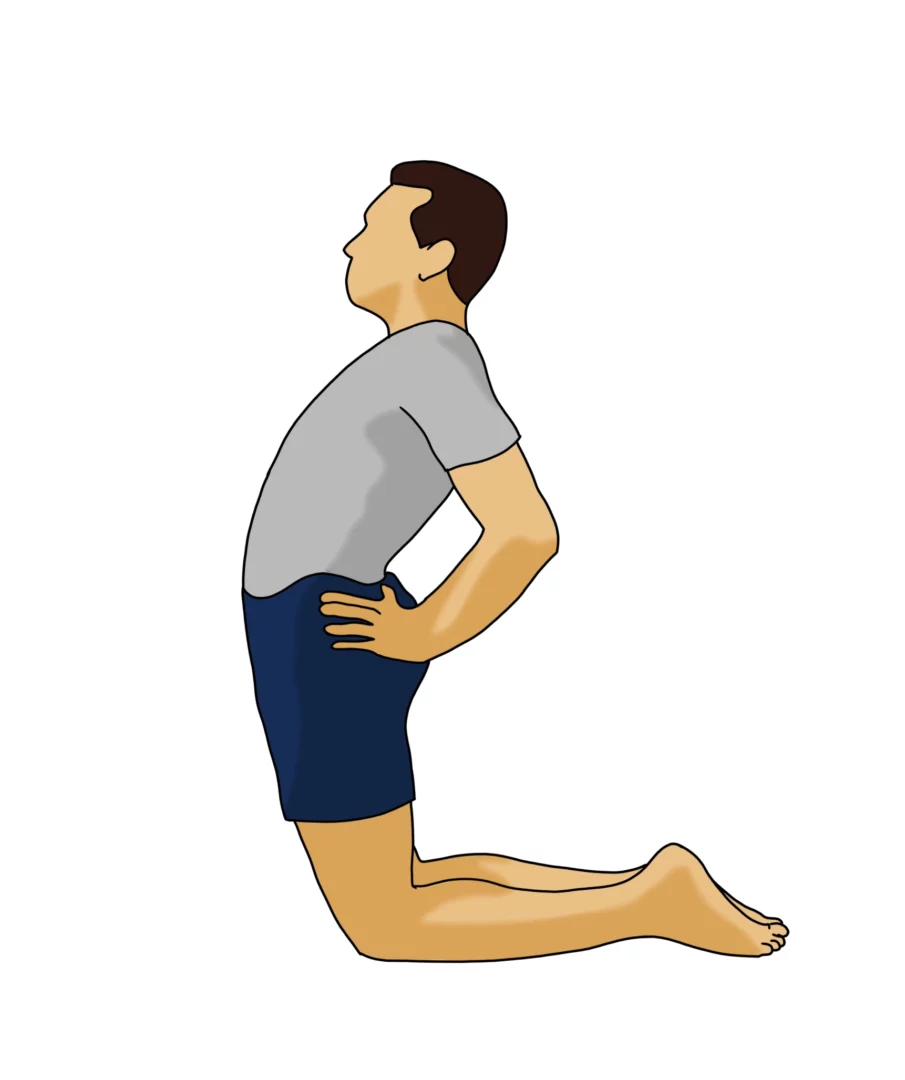
- Rest the palms on the hips. Stretch the thighs, curve the spine back, and extend the ribs.
- Exhale, place the right palm over the right heel and the left palm over the left heel. If possible, place the palms on the soles of the feet.
- Press the feet with the palms, throw the head back, and push the spine towards the thighs, which should be kept perpendicular to the floor.
- Contract the buttocks and stretch the dorsal and the coccyx regions of the spine still further, keeping the neck stretched back.
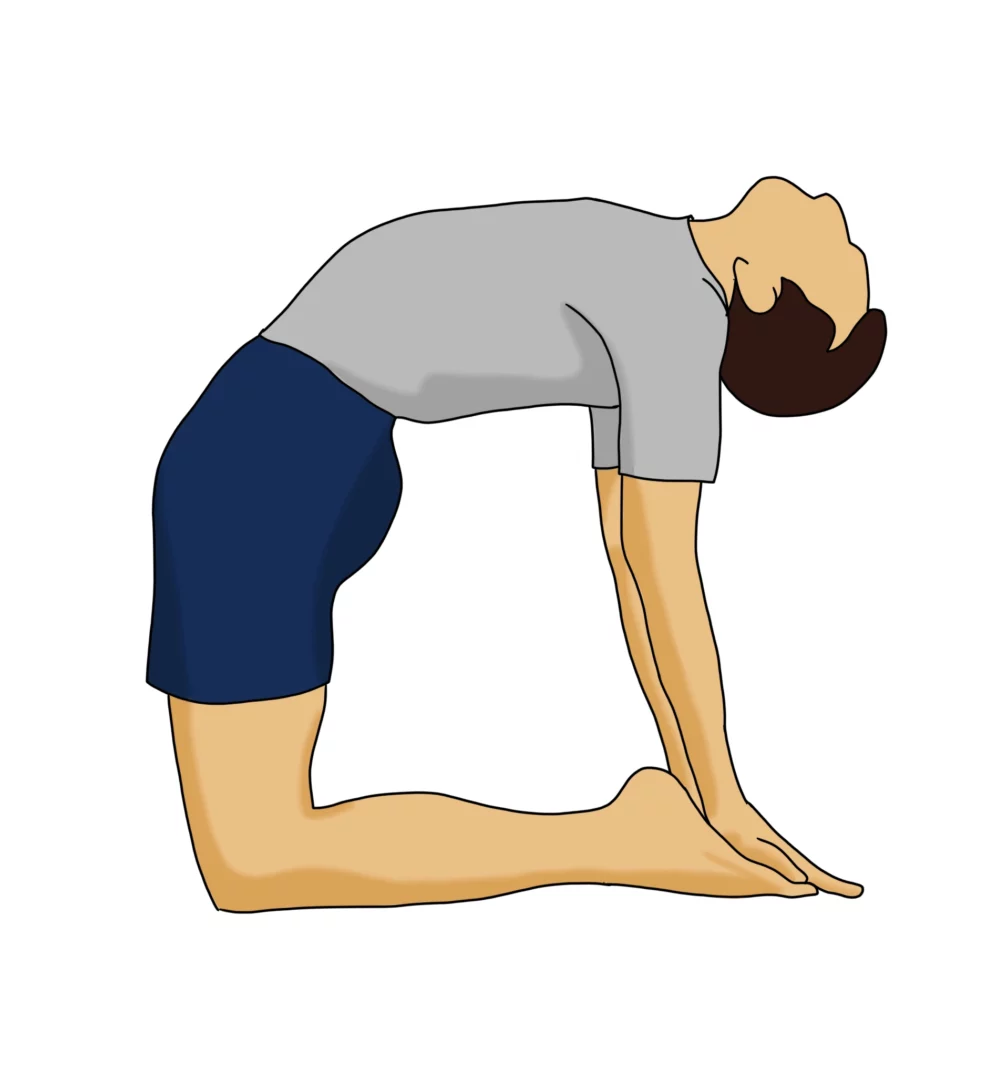
- Remain in this position for about half a minute with normal breathing.
- Release the hands one by one and rest them on the hips. Then sit on the floor and relax.
Benefits of the Camel Pose
- People with drooping shoulders and hunched backs benefit from this asana.
- The whole spine is stretched back and is toned.
- Opens the chest and shoulders.
- Strengthens the back and core muscles.
- Stretches the hips and thigh muscles.
Modifications & Tips for beginners
If you are new to yoga, using props and going slowly makes this pose safe and effective. It’s important to practice Camel Pose with awareness.
- Place a yoga block beside each heel for easier reach.
- Keep your hands on the lower back if heels feel far.
- Avoid pushing the hips forward forcefully.
- Engage core muscles gently for support.
- Focus on lifting the chest rather than bending deeply.
Breathing pattern in Ustrasana
Breathing plays an important role in Ustrasana. Proper breathing helps maintain balance and relaxation during the posture.
- Inhale deeply while placing hands on your hips.
- Exhale and start bending backwards.
- Keep breathing normally as long as you are holding the pose.
- Exhale gently while coming out of the pose.
Common Mistakes to Avoid in Ustrasana
- Forcing the backbend (Try to reach for the heels instead)
- Locking the knees
- Compressing the lower back
- Holding the breath
- Dropping the head suddenly
Practicing slowly and mindfully prevents strain and discomfort.
Who Should Avoid Ustrasana?
Avoid or practice with guidance if you have severe back or neck issues, knee injuries, recent surgery, high/low BP. Always consult a qualified yoga teacher or healthcare professional if unsure.
When to practice the Camel Pose?
Try to include this pose in your daily yoga routine. Usually, it should be performed on an empty stomach. So keep your yoga schedule in the morning. Ustrasana is practiced between warmup exercises and the cooldown session of your yoga routine.
Conclusion
Camel Pose in Yoga or Ustrasana is a powerful yet approachable pose that helps improve posture, flexibility, and breath awareness. When practiced with patience and proper alignment, it becomes a valuable part of a beginner’s daily yoga routine at home.
Start slowly, use modifications when needed, and allow your body to open naturally over time.
Yes, Ustrasana can be practiced by beginners when done slowly and with proper support. Beginners can keep their hands on the lower back instead of reaching for the heels and focus on lifting the chest gently. Using yoga blocks and practicing under guidance makes the pose more comfortable.
Beginners can hold Ustrasana for 10–20 seconds, depending on comfort. As flexibility and confidence improve, the holding time can be increased gradually. There is no need to push beyond what feels comfortable.
Yes, beginners can practice Ustrasana at home by following clear instructions, using modifications, and moving slowly. However, if you have any medical concerns, it’s best to consult a qualified yoga instructor or healthcare professional.